Periodontics
Periodontal Disease
Gum disease, or periodontal disease, develops when bacteria build up between the teeth and gums. It causes infection and inflammation and, if left untreated, eventually tooth loss. The difficult part is that symptoms often do not appear until the disease has progressed, which is why regular checkups matter so much.
How gum disease progresses
It moves through stages, and how far it has gone determines what can be done about it.
Gingivitis is the early stage. Gums are inflamed, red and bleed easily, but the bone holding the teeth is untouched. Gingivitis is reversible. Professional cleaning plus better daily habits usually resolves it completely.
Periodontitis is what gingivitis becomes if it is not treated. Inflammation spreads below the gumline and begins destroying the bone anchoring the teeth. Pockets form between tooth and gum where bacteria collect out of reach of a toothbrush. Bone lost at this stage does not grow back on its own, so treatment aims to halt progression and keep what remains.
Advanced periodontitis involves substantial bone loss. Teeth loosen, shift position, and may eventually need removing.
That progression is the reason we check your gums at every visit rather than only when something hurts.
Know the signs
Contact us for an exam if you notice:
- Red, swollen or tender gums
- Bleeding when brushing or flossing
- Gums pulling away from the teeth, making them look longer
- Persistent bad breath or a bad taste
- Loose teeth, or teeth that seem to have moved
- A change in how your teeth meet when you bite
Bleeding when you brush is the one most often dismissed. Healthy gums do not bleed. It is worth an appointment rather than a wait-and-see.
What raises your risk
Smoking is the single largest controllable risk factor, and it also masks the warning signs by reducing bleeding. Diabetes works in both directions: poorly controlled blood sugar worsens gum disease, and gum infection makes blood sugar harder to control. Genetics, pregnancy, certain medications that reduce saliva, and a weakened immune system all play a part. If any of these apply to you, tell us, because it changes how often you should be seen.
Treatment and ongoing care
At Nest Dental Clinic we clean thoroughly at every visit, removing hardened plaque and checking for early signs of gum disease. If we find anything, we can start treatment straight away, often preventing the condition from advancing or reversing it at the early stage.
Periodontal disease is managed rather than cured once bone has been lost. Patients who have been treated are usually seen more frequently than every six months, because the pockets that formed are easier for bacteria to recolonise. Keeping to that schedule is what protects the result.
Periodontal Treatments Include:
Cleanings
Periodontal or deep cleanings are vital for healthy gums and the prevention of gum disease. This procedure removes plaque and tartar below the gumline, which regular cleaning misses. Deep cleanings help reduce gum inflammation, bleeding, bad breath, and the risk of tooth loss.
Gum Surgeries
Periodontal gum surgery is a treatment option for advanced gum disease. This procedure involves reshaping gum tissue and removing plaque and tartar from deep pockets. Gum grafting may also be necessary to restore lost gum tissue. Periodontal surgery can help improve gum health, prevent tooth loss, and restore a healthy smile.
Bone grafts
Bone grafting is a surgical procedure to rebuild lost jawbone tissue, often needed for stable dental implant placement. The bone material can come from the patient, a donor, or be synthetic. This allows those with significant bone loss to receive implants and restore their smile’s function and completeness.
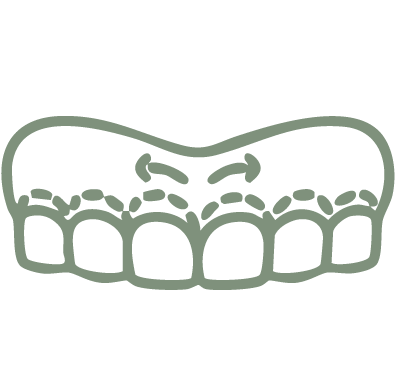
Gingivectomy
A gingivectomy is a dental procedure to remove excess gum tissue. This can improve a “gummy smile” or address excessive tissue that traps bacteria and contributes to gum disease. Reshaping the gumline through gingivectomy enhances smile aesthetics and promotes better oral health.
Request an Appointment
Existing patients are always welcome to share questions and feedback. If you're seeking a new dental home for your family, we invite you to visit our office for a tour and to meet our team, or schedule an appointment.